ANOTHER REASON FOR SEASONAL ACUPUNCTURE TUNE-UPS:

The shorter days and changes in weather may throw many of us off balance, affecting our mood and behavior.
In fact, ten percent of us may be diagnosed with a common problem called Seasonal Affective Disorder (S.A.D.). People suffering from S.A.D. may have a few, or all symptoms present:
• changes in appetite
• weight gain
• cravings for sweet and starchy foods
• a tendency to oversleep and have difficulty in waking
• fatigue, low energy
• decreased libido
• aches, pains
• difficulty focusing
These symptoms can be severe enough that our lives will be completely disrupted; we may even try to avoid social situations and become a recluse this time of year.
Traditional treatments involve mood-altering drugs. While they may be effective, drugs can also have severe side-effects.
Instead, many people choose to use natural remedies to combat S.A.D. such as exercise, herbs and light therapy. Light therapy involves sitting in front of a light unit equipped with specially designed bulbs. These bulbs duplicate the normal light spectrum of the sun on a cloud-free spring day. Since lack of sunlight is a factor in S.A.D., this therapy works quite well.
Light therapy requires an exposure to these special bulbs for at least 30 minutes a day. But, be cautioned, just like the sun, you can’t look directly into the light. (Consult your health care professional for specific instructions).
Another approach is to keep body and mind balanced with acupuncture care. Bodies can be easily thrown off balance with just about everything we do in life. The seasons have a direct influence upon the health of our mind and body. Acupuncture treatments can rebalance body systems, calming the mind, lifting the spirit and turning on our internal light switch!
 Cleaning
 2015 is the Year of The Goat in Chinese astrology. Ranking eighth in the long list of animals tied to the Chinese zodiac, people who are born under this sign are said to be calm, mild-mannered, good-hearted, sympathetic, dependable and intelligent. They also prefer to avoid being the center of attention – a trait that’s rare among other Chinese zodiacs. Of course, this is just the tip of the iceberg when it comes to the characteristics of the Year of The Goat.
 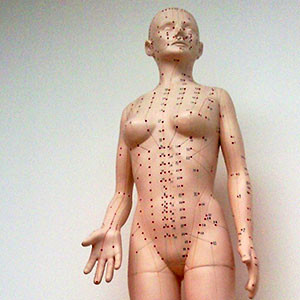 The thought of treating pain by sticking yourself with dozens of tiny needles might sound like a misnomer. After all, wouldn’t this make the problem worse by creating more pain? The holistic practice of acupuncture is a safe and effective solution for relieving pain. Whether it’s chronic or temporary pain, acupuncture has proven effective time and time again at relieving pain.
  Obesity remains a top concern among health professionals in the U.S. According to a study published in the Journal of American Medicine (JAMA), more than one third of adults in the U.S. are clinically obese (
 Adults who need 2,000 daily calories to maintain a healthy weight should eat 2 cups of fruit and 2½ cups of vegetables per day (a total of nine servings). According to the Centers For Disease Control and Prevention (CDC), however, only 14% of adults consume the recommended daily amount of fruits and vegetables (